

909.630.3943

Resiliency

Hyperscale Manufacturing: Scaling Production at the Speed of Demand

Hyperscale manufacturing is an emerging operating model that applies the speed, scalability, and modularity of tech companies to physical production. Hyperscale manufacturing has accelerated in importance as geopolitical risks, national security, and domestic requirements and capabilities have become of paramount importance.

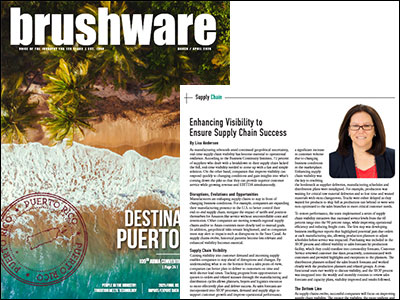
Enhancing Visibility to Ensure Supply Chain Success

As manufacturing rebounds amid continued geopolitical uncertainty, real-time supply chain visibility has become essential to operational resilience. These companies can respond quickly to changing conditions and gain insights into what’s coming down the pike so that they can provide superior customer service and grow revenue and EBITDA.

Building Capabilities for Regional Supply Chain Independence

In this Supply Chain Byte, Lisa Anderson explains why manufacturers must focus on building capabilities for regional supply chain independence. We discuss how the conflict in the Middle East is highlighting the critical importance of regional supply chains and strategies for success.

Supply Chain Transformation: Predictable, Profitable, Intelligent

Companies are showing increasing interest in supply chain transformation as they want to create predictability, scalability, agility, and sustainable, profitable growth. We’ll talk through supply chain transformation, what’s included, how it relates to SIOP, ERP, and AI, and review a case study example.

Smart Product Redesign for Regional Supply Chains & Automation

In this episode of Supply Chain Chats, Lisa Anderson talks with Eric P. Rose about the realities of bringing new products to market in today’s complex supply chain environment. Watch the full discussion to learn how organizations can develop innovative products that not only excite the market but can also be produced efficiently and profitably.

What to Learn from the Iran War: Demand, Supply, Location & Flow

Although there are plenty of issues related to the War in Iran, from a supply chain perspective, the key issue is that the Strait of Hormuz has been blocked. This supply chain chokepoint is limiting the movement of energy. We discuss take aways related to demand, supply, flow and location.

Supply Chain Expert Lisa Anderson Explains How Iran Conflict Is Rippling Through Global Manufacturing

Lisa Anderson is highlighting vulnerabilities in global supply chains as the recent conflict involving Iran creates ripple effects across global trade, energy markets and critical manufacturing components.

Goods Movement & Transportation

In this Supply Chain Byte, Lisa Anderson discusses what is happening across trucking, package shipping and ocean freight - and why understanding demand and supply dynamics within transportation is critical to maintaining profitability and success.

Iran Conflict & The Strait of Hormuz

In this Supply Chain Byte, Lisa Anderson explains why the Iran conflict and the Strait of Hormuz matter to manufacturers. As one of the most critical shipping chokepoints in the world, disruptions in this region can impact global trade, energy supply and transportation costs.

Iran Conflict – Impacting the Confectionery Sector

As the conflict disrupts key trade routes and energy supplies, the confectionery sector is among the first to feel the strain. How vulnerable are manufacturers, and what can be done to protect the industry? Lisa Anderson discusses supply chain protection and safeguarding supplies to ensure availability.

Go to Top