

Sustainable Manufacturing = Uncommon Common Sense
Manufacturers should work to reduce materials, energy consumption, and inefficiencies to improve their carbon footprint and achieve the triple bottom line.
According to UPS's CEO, UPS’ network flexibility gave it an edge over FedEx in landing a deal with the U.S. Postal Service. Instead of following a hub-and-spoke model to service the USPS, UPS can use its regional gateways to support the local and regional requirements of the USPS customers.
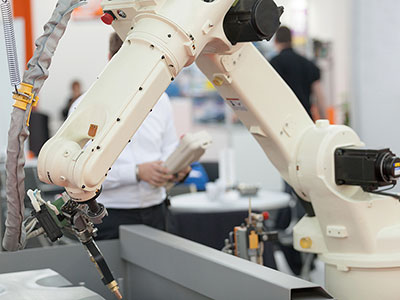
There are around 3 million industrial robots in use worldwide, and the market is expected to grow to $45 billion by 2028. At a minimum, robots can perform routine tasks with consistent quality. At a maximum, robots will be a strategic advantage to your business. It is no wonder clients are implementing them at a fast pace and investing widely.
COVID-19 may no longer be a significant public health threat, but the global supply chain remains chock full of risk. The threats are seemingly everywhere these days: The Israel-Hamas war, which is sabotaging trade routes in the Red Sea; extreme drought, which is curtailing shipping in the Panama Canal, and China’s military aggression, which is threatening lawful commerce in the South China Sea.
California's minimum wage went up to $20/hr. for fast food restaurants with at least 60 locations nationwide that do not make bread. This law is causing widespread unintended consequences. For example, Fosters Freeze in Lemoore closed suddenly after the wage hike. Mod 5 Pizza is closing five locations.
Manufacturers wish they left supply chain shortages behind after the pandemic, but they remain top of mind. Concerns remain. According to KPMG, “71% of global companies highlight raw material costs as their number one supply chain threat for 2023.”
The supply chain has calmed down since the height of the pandemic; however, smart manufacturers are thinking ahead to changing conditions. Geopolitical risks are at an all-time high.
Enterprise resource planning systems, CRMs and other tech such as RFID, barcoding, customer and supplier portals, blockchain, IoT, and GPS tracking all support this goal.
According to Polaris Market Research, the market size of artificial intelligence (AI) in manufacturing is predicted to grow more than 41% during the next decade. Although the latest Sikich Industry Pulse found that less than 20% manufacturers have started to implement AI [...]
Pay alone will not suffice. In our experience, the most important priority to retaining top talent is company culture and leadership.