


Supply Chain Automation is Changing the Landscape
Automation is coming, whether or not we get on board. Most executives do not want to be the guinea pig for new technology as they cannot afford disruption and risk.
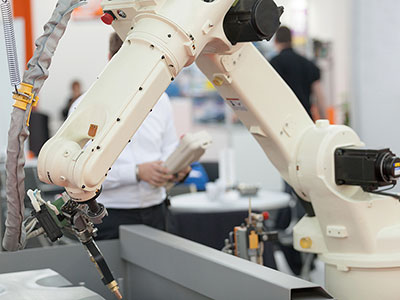
No client has enough high-skilled talent. In fact, it is the single largest issue facing executives. The skills gap is severe for high-skilled roles. Yet any company that wants to succeed is automating, digitizing, and utilizing advanced technologies such as robotics, additive manufacturing, and predictive analytics.
Cold food supply chains continue to face significant disruption as geopolitical risks, transportation challenges, labor shortages, and changing customer expectations reshape the industry. Building resilient supply chains, improving visibility, leveraging advanced technologies, and strengthening demand and supply planning are becoming essential for companies looking to maintain service levels and [...]
The White House has launched a cabinet-level supply chain council as the criticality of the topic rises to the top.
Only companies that automate, digitize, and utilize modern ERP systems and advanced technologies will survive, let alone thrive during the next decade. There is no doubt that volatility, uncertainty, complexity, and ambiguity (VUCA) have increased in importance since the pandemic, and even though progress has occurred, there is no end in sight.
Medtech companies’ focus on supply chain resiliency and mitigating supply chain risk has increased over the last few years as the pandemic triggered extended lead times, delays, and rising costs.
Companies went global for the past few decades with a gusto to save labor costs. The pandemic jolted many Executives eyes open to the risks in the global supply chain. Suddenly, companies were reevaluating their global footprint with an eye to cost, risk (supply chain, geopolitical, etc.), customer performance, etc.
In this GS1 US Next Level Supply Chain podcast interview, Lisa Anderson discusses supply chain trends, technology innovation, data standardization, predictive analytics, and the strategies organizations can use to improve visibility, decision-making, and business performance.
Lisa Anderson was interviewed by Douglas Squirrel of the Squirrel Squadron on LinkedIn Live about technology in manufacturing and the supply chain.
Manufacturing appears to be turning the corner. According to the ISM, the Purchasing Managers Index (PMI) recorded a contraction but at the slowest pace of the recent cycle. In fact, this is the third straight month of improvement.