Why Railroads Matter
Railroads move 40% of U.S. freight, making them a critical link in the supply chain. Learn why rail disruptions create widespread bottlenecks and how manufacturers can build more resilient supply chains.



Railroads move 40% of U.S. freight, making them a critical link in the supply chain. Learn why rail disruptions create widespread bottlenecks and how manufacturers can build more resilient supply chains.
Supply chain strategy requires constant reevaluation in today's volatile environment. Learn how supplier diversification, SIOP, network optimization, and inventory strategies help manufacturers build more resilient supply chains.
Global logistics continues to evolve as e-commerce, shifting customer expectations and supply chain disruptions reshape the movement of goods. Explore the trends in global trade, fulfillment, technology, resilience and visibility that will shape future supply chain success.
Supply chain disruptions continue at a rapid pace as geopolitical tensions, transportation bottlenecks, inflation and global shortages create new risks. Proactive companies are responding by expanding U.S. manufacturing, reshoring and nearshoring, diversifying supply and investing for long-term resilience.
Supply chain disruption, labor shortages, inflation, and shifting customer expectations continue to reshape the manufacturing landscape. Discover the common challenges clients are facing and the strategies leading organizations are using to strengthen resilience, execute effectively, and position themselves for profitable growth.
Global supply chains remain volatile, with disruptions ranging from port congestion and labor shortages to geopolitical conflicts and inflationary pressures. Learn how proactive planning, risk assessment, and strategic supply chain decisions can help build resilience, protect customer service, and position your business for long-term success.
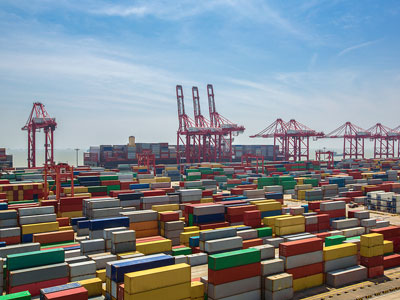
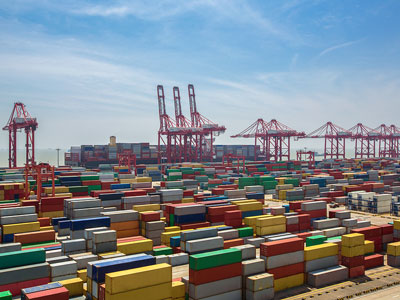
The Shanghai lockdown created another major bottleneck in an already disrupted global supply chain. Lisa Anderson discusses the impact of port congestion and geopolitical events and why companies must assess risks, strengthen supply chain partners, and build resilience to regain control of their end-to-end supply chains.
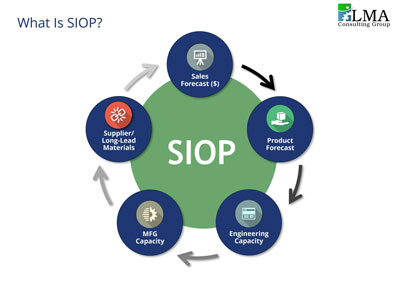
S&OP, also known as SIOP or Integrated Business Planning, connects strategy with execution by aligning demand, supply, inventory, capacity, and resources. A strong SIOP process helps companies improve collaboration, make better strategic decisions, and successfully navigate changing business conditions.
Manufacturers are accelerating reshoring and nearshoring as supply chain disruptions, geopolitical risk, and inflation expose the vulnerabilities of extended global supply chains. Learn how companies can evaluate reshoring, nearshoring, strategic partners, and SIOP to strengthen resiliency and better serve customers.
Rising inflation, geopolitical conflict, energy costs, and commodity shortages are creating additional supply chain volatility. Manufacturers should proactively evaluate customers, suppliers, inventory, capacity, and supply chain networks while strengthening SIOP and planning processes to navigate disruption and stay ahead of changing conditions.