Inland Empire economy braces for 2025: Lisa Anderson
Lisa Anderson was quoted recently on the shape of the Inland Empire economy, and how it looks heading into 2025.



Lisa Anderson was quoted recently on the shape of the Inland Empire economy, and how it looks heading into 2025.
KNX interviewed Lisa Anderson about the Los Angeles fires and the supply chain impacts and economic impacts. We discussed the devastation caused by the fires, how the retail supply chains would be affected from demand and supply misalignment, and the impacts on the building and construction industry as well as the consumer products industry.
The LA County fires are leaving a lasting impact on supply chains. In this Supply Chain Byte, Lisa Anderson discusses the challenges businesses face and actionable steps companies can take to adapt and maintain resilience during this crisis.
Lisa Anderson warns that the recent devastating fires in Los Angeles County will have far-reaching impacts on supply chains well beyond the immediate area. With over 100,000 people displaced and critical infrastructure, IT systems and power grids affected, businesses across industries must prepare for disruptions that could persist for months.
Every CFO seems to wonder why they spend millions on ERP upgrades yet critical decisions seem to boil down to spreadsheets.
As revenues remain volatile, disruptions plague supply chains, and interest rates remain high, executives' ability to build revenue, margin and working capital predictability and improvement takes on an elevated importance.
Given the uncertainty of the economy creating extreme push outs and pull ins with customer orders, only those companies that can successfully deal with uncertain and changing conditions can thrive. Companies that automate, create value and digitize will drive bottom-line results.
Manufacturers should work to reduce materials, energy consumption, and inefficiencies to improve their carbon footprint and achieve the triple bottom line.
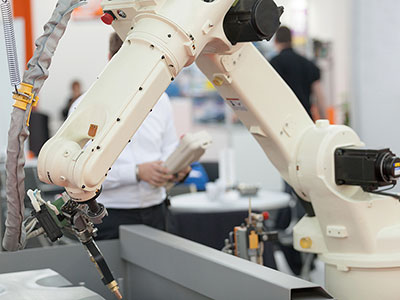
There are around 3 million industrial robots in use worldwide, and the market is expected to grow to $45 billion by 2028. At a minimum, robots can perform routine tasks with consistent quality. At a maximum, robots will be a strategic advantage to your business. It is no wonder clients are implementing them at a fast pace and investing widely.
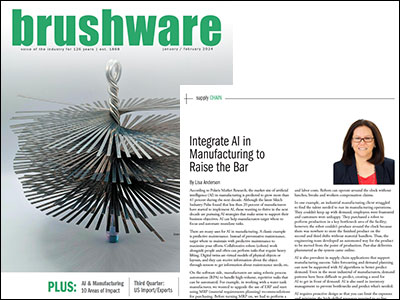
According to Polaris Market Research, the market size of artificial intelligence (AI) in manufacturing is predicted to grow more than 41% during the next decade. Although the latest Sikich Industry Pulse found that less than 20% manufacturers have started to implement AI [...]