

How Common Sense Drives Supply Chain Results
Common sense is uncommon. Lately common sense seems to be in short supply. However, it is worth pursuing as there is a powerful return on investment (ROI) in using common sense.
In this Adhesives & Sealants Industry podcast interview, Lisa Anderson discusses supply chain risk, resilience, supplier collaboration, SIOP, technology, and the strategies manufacturers can use to navigate disruption and create a competitive advantage.
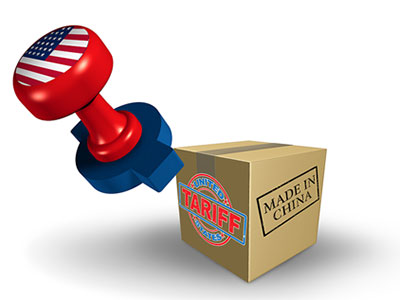
Tariffs are reshaping global trade and supply chains, creating both uncertainty and opportunity. As trade policies evolve, manufacturers and supply chain leaders must understand the potential impacts on costs, sourcing strategies, and competitiveness while building resilient plans for future growth.
Lisa Anderson shares her thoughts on the outlook for supply chains in 2025.
Manufacturers are waking up to the risks in their end-to-end supply chains. They are realizing that they are only as strong as their weakest link, especially if they do not have backup sources of supply that will jump in at a moment's notice. As an international law expert says, if you are counting on China for manufacturing, you must "get out".
Manufacturing in the U.S. is gaining momentum, and businesses that aren’t prepared will struggle to keep up. According to Lisa Anderson, MBA, CSCP, CLTD, President of LMA Consulting Group, Inc., the resurgence will be fast and powerful, with companies that are ready to scale reaping the greatest benefits.
Manufacturing is starting to take flight. The resurgence will be powerful and fast. As a well-connected business executive and trusted advisor mentioned recently, when manufacturing takes off, you will not be able to keep up if you aren't already on top of it.
AI rules at one of the world's most influential and largest technology conferences, the Consumer Electronics Show (CES). This year's event highlighted a diverse array of products designed to enhance efficiency, personalization and sustainability.
In this Future of Supply Chain podcast discussion, Lisa Anderson shares her outlook on the trends shaping supply chains in 2025, including regionalization, resilience, supply chain visibility, artificial intelligence, talent development, and the opportunities available to proactive organizations.
In the latest evidence of the heightened concerns related to geopolitical risk, Biden has cracked down on most Chinese cars and trucks with a rule that software and hardware cannot come from China. There is concern about having millions of cars on the road with a potential threat to national security.