

909.630.3943

Profitability

ERP & Related Technology to Manage High Complexity with High OTIF Levels

ERP systems and related technologies can help manufacturers manage increasingly complex supply chains while improving customer service and operational performance. By integrating the right technologies and turning data into actionable insights, companies can increase OTIF, reduce costs and inventory, and make faster, more informed decisions.
TNCRadio Live: Is There a Silver Lining in the Cloud of Confusion in Today’s Supply Chain?

Lisa Anderson, manufacturing and supply chain expert and president of LMA Consulting Group discusses inflation and deflation and where we are truly headed in regards to the many problems involving the supply chain. Is There a Silver Lining in the Cloud of Confusion in Today's Supply Chain?

The Business Journals: Supply Chain Issues – What’s keeping the C-level up at night in 2022?

In this webinar hosted by The Business Journals and sponsored by Oracle NetSuite, Lisa Anderson joins industry leaders to discuss the supply chain challenges keeping executives up at night and strategies for building resilience, driving growth, and thriving amid ongoing disruption.

Source Day: Women in ERP

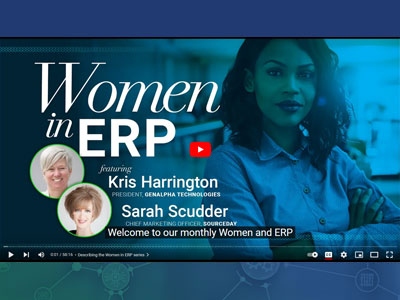
In SourceDay's "Women in ERP" panel, Lisa Anderson joined industry leaders to discuss best practices for ERP selection, upgrades, and utilization. The conversation explored how organizations can maximize the value of their ERP investments to improve visibility, support growth, and drive operational performance.

5P Accelerator Process to Fast-Track Growth & Profits During Business Volatility

The 5P Accelerator helps manufacturers and distributors fast-track growth and profitability by focusing on five critical areas: people, processes, plan, priorities, and profit drivers. By aligning these elements, companies can improve performance, increase scalability, and stay ahead of changing market conditions.

What Is S&OP (also known as SIOP) & Why Should We Care?

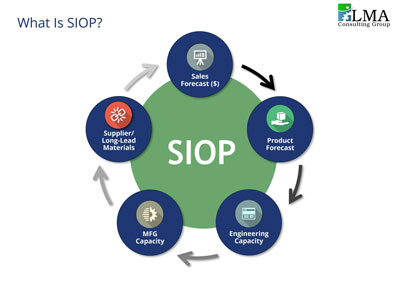
S&OP, also known as SIOP or Integrated Business Planning, connects strategy with execution by aligning demand, supply, inventory, capacity, and resources. A strong SIOP process helps companies improve collaboration, make better strategic decisions, and successfully navigate changing business conditions.

SIOP and S&OP FAQs: Implementation & Proven Results

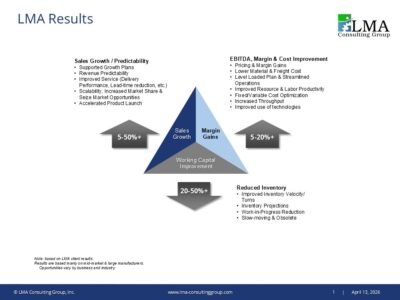
SIOP aligns sales, operations, supply chain, and finance around one plan to improve revenue predictability, customer service, inventory, and profitability. This Q&A explores how manufacturers can use SIOP to anticipate capacity and resource needs, improve operational performance, and support profitable growth.

Interview with Industrial Insights on How SIOP Can Address Business Volatility

Supply chain disruptions and demand volatility make it increasingly difficult to balance customer needs with capacity, inventory, and profitability. In this Industrial Insights interview, Lisa Anderson discusses how SIOP helps companies anticipate changing demand, align supply, manage inventory and working capital, and make faster decisions in a volatile business environment.

SAC: Successful Organizations Move Beyond the Great Resignation

The Great Resignation reinforced the importance of strong leadership, workplace culture, and employee engagement. Successful organizations are retaining and attracting talent by listening to employees, communicating a clear vision, recognizing contributions, developing their workforce, and creating an environment where people want to succeed.

Capacity Planning Best Practices to Support Sales Growth

Capacity planning ensures your operations and supply chain can keep pace with sales growth. Learn capacity planning best practices for aligning labor, equipment, suppliers, warehousing, and transportation with demand to identify bottlenecks, improve customer service, and support profitable, scalable growth.

Go to Top