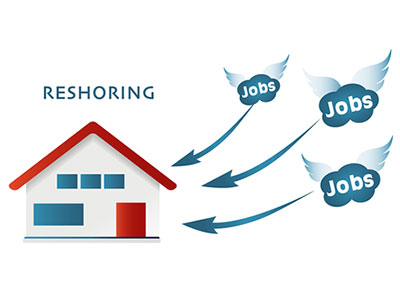
Regional Manufacturing in the Medical Supply Chain
The supply chain has calmed down since the height of the pandemic; however, smart manufacturers are thinking ahead to changing conditions. Geopolitical risks are at an all-time high.



The supply chain has calmed down since the height of the pandemic; however, smart manufacturers are thinking ahead to changing conditions. Geopolitical risks are at an all-time high.
This cutting-edge tool prompts supply chain professionals, operations executives and senior leaders to introspect and critically assess various facets of their supply chains that affect customer performance, with a focus on flexibility and efficiency.
Manufacturing promotes safety and security and mitigates risk. Controlling your supply chain and mitigating geopolitical risk can become paramount overnight as geopolitical events occur, natural disasters emerge, and supply chain challenges arise (strikes, disruptions, shortages).
Clients typically set goals; however, goals without an understanding of where you stand is non-value added. Although it is common to set goals and expect employees to achieve them, it is far less common for clients to understand how they will get from the current state to the desired future state.
Enterprise resource planning systems, CRMs and other tech such as RFID, barcoding, customer and supplier portals, blockchain, IoT, and GPS tracking all support this goal.
This is how companies deal with the Red Sea crisis: planes, storage, and closest suppliers.
The recent turmoil in the Red Sea, triggered by Houthi drone and missile attacks, has significantly amplified risks in global shipping, particularly affecting the Suez Canal and Red Sea routes.
Supply chain disruptions are nothing new for the shipping industry. The COVID-19 pandemic presented an unprecedented challenge for the industry. Lisa Anderson comments on the disruptions arising from the current Houthi attacks in the Red Sea and the implications.
Disruptions have not stopped. China has been flying balloons over Taiwan. North Korea is threatening South Korea. Russia continues its war with Ukraine. Israel is at war with Hamas [...]
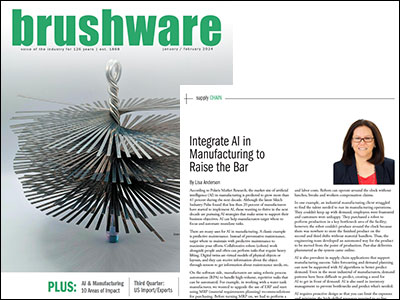
According to Polaris Market Research, the market size of artificial intelligence (AI) in manufacturing is predicted to grow more than 41% during the next decade. Although the latest Sikich Industry Pulse found that less than 20% manufacturers have started to implement AI [...]