Better Utilizing ERP for Sustainable Results
99% of the companies that bring us on board for consulting projects can accelerate bottom line business results by better utilizing their ERP system.



99% of the companies that bring us on board for consulting projects can accelerate bottom line business results by better utilizing their ERP system.
Although production and materials planning can be overlooked in its importance in most companies if going smoothly, it is cornerstone to success.
Clients are struggling to keep up with customer's changing requests. Order backlogs remain relatively high (depending on the industry), but customers are pushing orders out at the last minute, pulling orders in without notice, adding future potential orders, and changing requirements on the fly. Production is scrambling to keep up.
The world has never experienced a labor shortage quite like the one we are experiencing. According to the Bureau of Labor Statistics, employment growth will average .3 over the next decade; however, labor participation will drop from 62.2% to 60.4%.
Automation is coming, whether or not we get on board. Most executives do not want to be the guinea pig for new technology as they cannot afford disruption and risk.
The best consulting clients are razor focused on supply chain volatility, risk and capacity. The recent events in the Red Sea highlight these critical priorities.
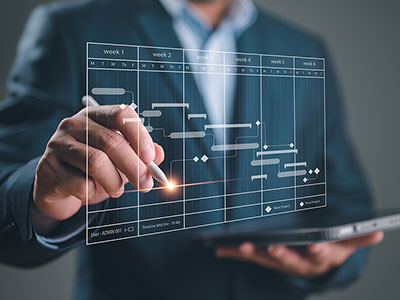
Production planning software is a manufacturing solution that helps you plan for and supervise essential workflows in the production process. Lisa Anderson gives her tips on what you should look for.
40% of the goods movement from Northeast Asia to the U.S. East Coast go through the Panama Canal, and so the Panama Canal issues are driving shortages, late deliveries, and re-routing of goods.
Lisa Anderson emphasizes the critical necessity of prioritizing supply chain optimization as global disruptions continue. Key issues, such as the worsening conditions at the Panama Canal, have been highlighted as significant contributors to the ongoing supply chain crisis.
No client has enough high-skilled talent. In fact, it is the single largest issue facing executives. The skills gap is severe for high-skilled roles. Yet any company that wants to succeed is automating, digitizing, and utilizing advanced technologies such as robotics, additive manufacturing, and predictive analytics.