The Backup to the Backup
Although we talk about the value of the backup to the backup all the time in supply chain circles, when the rubber meets the road with the costs of the backup, it can be seen as excessive.



Although we talk about the value of the backup to the backup all the time in supply chain circles, when the rubber meets the road with the costs of the backup, it can be seen as excessive.
Consumer spending is on the rise, and it’s affecting supply chains. In this Supply Chain Byte, Lisa Anderson highlights the key factors—like logistics—you need to consider to stay prepared and keep your supply chain agile.
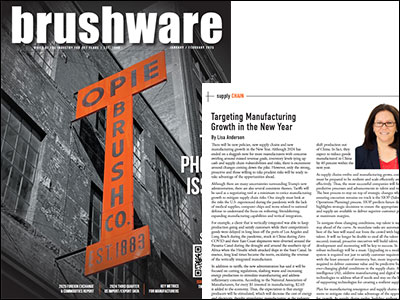
There will be new policies, new supply chains and new manufacturing growth in the New Year. Although 2024 has ended on a sluggish note for most manufacturers with concerns swirling around missed revenue goals, inventory levels tying up cash and supply chain vulnerabilities and risks, there is excitement around changes coming down the pike.
The peak season started two months earlier than normal and extended two months later than normal to account for the volatility and expected disruptions in the global supply chain.
Fulfilling customer demand successfully is not as easy as it was prior to this volatile, uncertain, complex, and ambiguous (VUCA) environment. As supply chain disruptions continue to rage, planners jump through hoops, expedite, and are a bit frazzled trying to support customer requirements while meeting operational objectives, pushing back when needed on sales commitments, and addressing cost concerns.
As revenues remain volatile, disruptions plague supply chains, and interest rates remain high, executives' ability to build revenue, margin and working capital predictability and improvement takes on an elevated importance.
Supply chain complexity continues to accelerate as organizations navigate geopolitical risk, cybersecurity threats, talent challenges, and changing customer expectations. In this Manufacturing Matters webinar, Lisa Anderson shares practical strategies for building agile and robust supply chains that improve resiliency, enhance predictability, and position companies for long-term success.
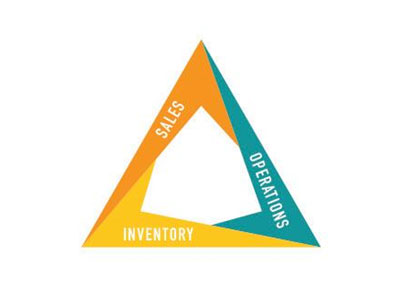
As supply chains become more complex, organizations must move beyond resiliency and efficiency toward predictability, scalability, and customer value. In this ASCM San Fernando Valley presentation, Lisa Anderson discusses the risks and opportunities shaping the future of supply chains and shares strategies for building talent, leveraging technology, implementing SIOP, and positioning organizations for long-term success.
Opportunities to increase market share will increase when companies are pre-positioned for growth in a resilient and scalable way.
In an interview with PYMNTS, Lisa Anderson, president of LMA Consulting Group, discussed how surcharges, which are common during peak seasons or for special circumstances like oversized items, have become particularly significant this year.